Short answer. Working around independent music made creator rights feel less like an abstract branch of law and more like operating infrastructure. Credits, payments, licences, takedowns, platform rules, splits, moral rights, personality use and event risk decide whether creative work can survive after it is released.
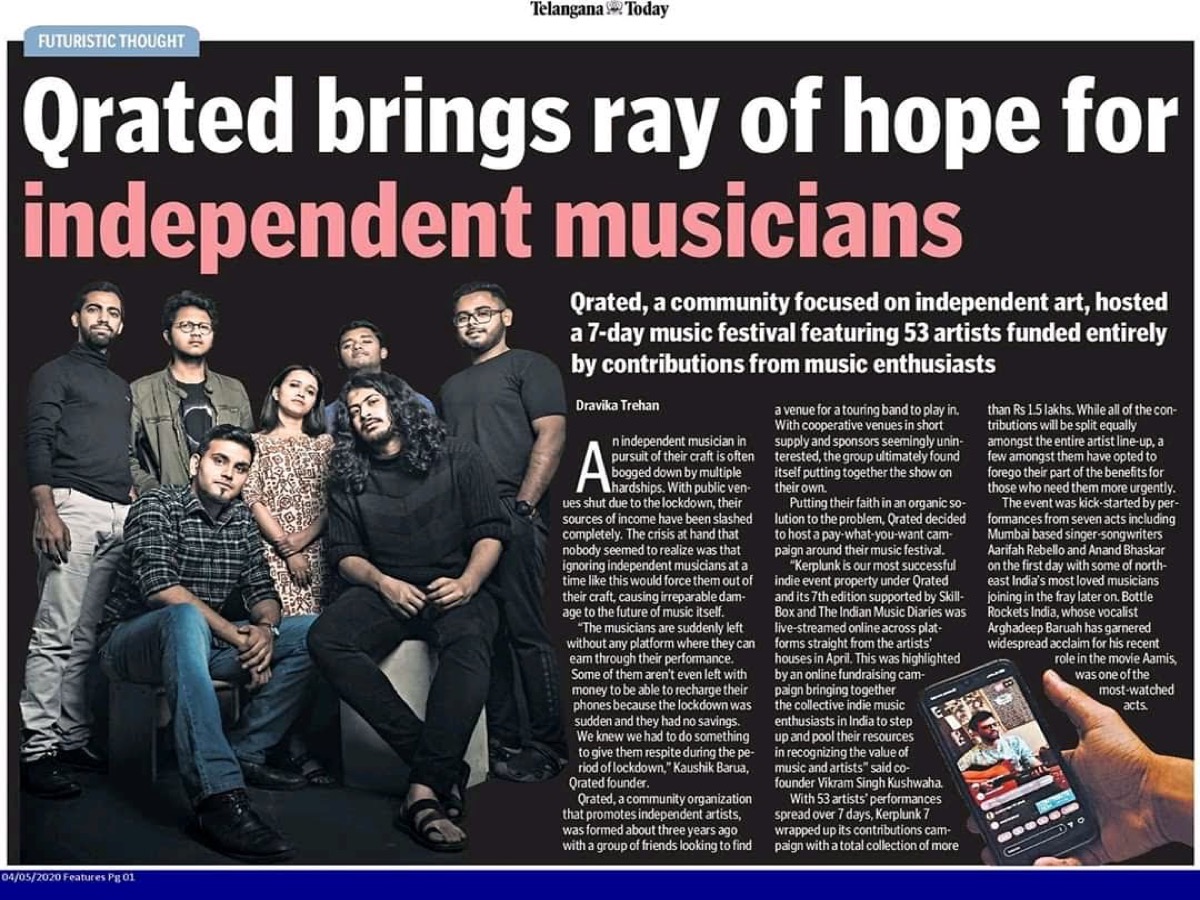
The law often describes creators through categories: author, performer, producer, composer, lyricist, assignee, licensee, platform user. Independent music teaches a harder truth. The same person may be three or four of those things at once, and the paperwork rarely catches up with the pace at which songs, videos, gigs and collaborations are made.
That gap between creative speed and legal clarity is where most creator disputes begin. Not in dramatic litigation, but in ordinary uncertainty: who owns the master, who owns the composition, who cleared the sample, who approved the poster, who can upload to streaming platforms, who receives royalties, who can take down a collaborator's work, and what happens when a handshake understanding becomes commercially valuable later.
Rights are not paperwork after the fact
In independent music, agreements are often treated as an administrative chore to complete once the work is already done. That is understandable. Most creative collaborations begin with trust, speed and excitement, not negotiation over clauses. But legally, the moment of creation matters. Authorship, ownership, consent, performer rights, assignment, licensing and revenue splits are easier to record before release than to reconstruct after a dispute.
A simple split sheet, recording agreement, production memo or email trail can prevent years of uncertainty. It does not need to be theatrical. It needs to say who contributed what, who may exploit the work, who controls upload and takedown decisions, how revenue is shared, whether the arrangement is exclusive, and what happens if the collaborators stop working together.
Credits and metadata are legal risk
Credits are not vanity. In digital distribution, credits become metadata, and metadata becomes money, reputation and leverage. A missing lyricist credit can affect royalty routing. An incorrect producer credit can affect licensing conversations. A wrong featured-artist listing can affect search, playlisting and public association. When the public-facing credit is wrong, the later legal fight begins with a record that already misstates the creative history.
This is why creator-side legal work should pay attention to the dull things: spelling, dates, names, ISRC and UPC numbers, artwork approvals, distributor dashboards, takedown notices, email headers and platform logs. The litigation record is often built from the boring record.
Platforms decide first, courts decide later
Many creator disputes never begin in court. They begin with a copyright strike, a Content ID claim, a disabled account, a removed video, a blocked release, a disputed distributor payout or a platform notice that gives the creator only a short time to respond. The platform may act before a court has examined ownership, fair dealing, licence scope or bad faith.
That does not mean platform decisions are final. It does mean creators need a two-track response: preserve the platform record immediately, and then decide whether the legal route is a counter-notification, a legal notice, a negotiated withdrawal, an injunction, damages, or a broader settlement. For practical platform-response issues, see the guide on fair dealing and YouTube Content ID counter-notifications.
Event work teaches contract reality quickly
Live events add a different kind of legal education. Performance agreements, routing, travel, cancellation, rain plans, force majeure, technical riders, stage safety, artist hospitality, sponsor obligations, venue permissions and payment milestones all meet on one night. If one piece fails, the legal language stops being ornamental.
This is why event contracts should be practical documents rather than decorative templates. A useful artist agreement identifies deliverables, payment triggers, cancellation consequences, travel responsibilities, technical obligations, recording permissions, publicity approvals and dispute forum. If the agreement cannot answer what happens when the artist misses a flight, the venue loses a permission, the sponsor delays payment, or the event is postponed, it has not done its job.
Independent coverage matters because trust is fragile
Independent artists and small labels often work without the institutional scaffolding that large studios, agencies and platforms enjoy. Trust has to be built from verifiable records: published credits, contracts, emails, payment trails, press coverage and public release history. That is why third-party coverage can matter. Rolling Stone India covered Six Degrees Arts' work with P.O.D. and Flipsyde at Orange Festival Dambuk, and Homegrown covered a No Binary Records release. These records matter because memory fades, but a clean public record travels.
What creators should keep before there is a dispute
- Written split sheets for songs, recordings, videos and collaborative works.
- Proof of payment, invoices, bank transfers and royalty statements.
- Written approvals for artwork, name use, image use and publicity assets.
- Distributor, platform and upload dashboard records.
- Email or message trails showing scope of consent and licence terms.
- Versions of contracts, drafts, masters, stems and project files with dates.
Closing thought
Independent music teaches that creator disputes are rarely only about ownership in the abstract. They are about survival, credit, continuity, payment and the ability to keep releasing work without being trapped by unclear records. Good creator-side legal strategy respects that reality. It does not treat creative businesses as miniature versions of large studios. It starts from how independent work is actually made, released, monetised and fought over.
Hit with a cease-and-desist, a takedown or a false Content ID claim? The Creator & Copyright Response Self-Help Pack gives you the ready-to-edit letters, replies and checklist for exactly this situation — drafted by Advocate Kushwaha and delivered instantly.
Get the Creator & Copyright Response pack — ₹499